Clean Label Reformulation: Balancing Transparency, Performance, and Profitability
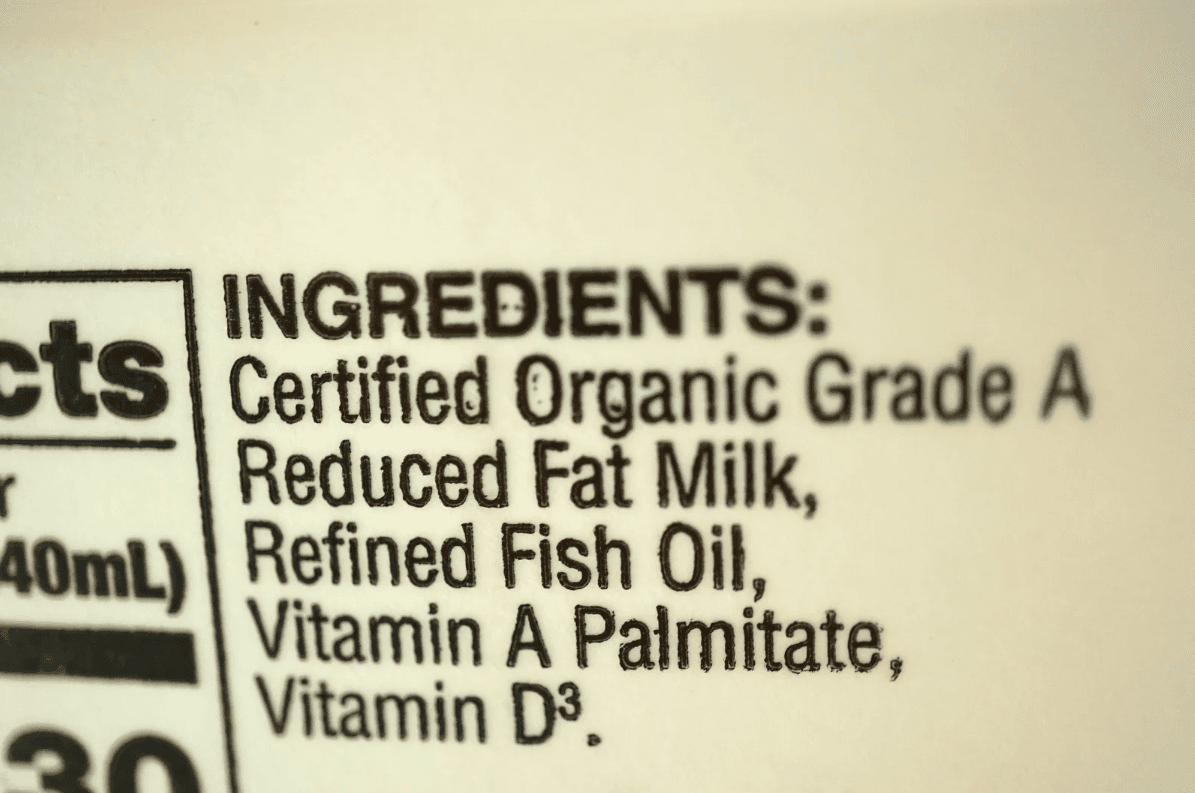
According to recent industry research, 56% of consumers are now willing to pay more for products made with recognizable ingredients, while 60% of global consumers actively reduce their salt intake, opting for clean label alternatives (Ingredion, 2025; Innova Market Insights, 2024). This shift is not merely a preference; it is a mandate forcing brands across food, beverage, and nutraceutical sectors to rethink traditional formulations.
The Technical Hurdles of “Natural”
Transitioning away from synthetic ingredients is rarely a simple swap. Ingredients such as artificial colors, potent preservatives like sodium benzoate, and synthetic emulsifiers have historically provided robust performance at a low cost.
Replacing these with natural alternatives introduces significant technical and commercial challenges:
- Sensory Compromise: Natural colors are often less stable under heat or light. Natural flavor enhancers may lack the punch of artificial counterparts.
- Shelf-Life Reduction: Botanical extracts often have narrower efficacy ranges against spoilage microorganisms compared to synthetic preservatives.
- Cost Implications: Natural, sustainably sourced functional ingredients almost always command a premium over synthetic commodities.
The challenge for brands is not just removing the “bad” ingredients, but maintaining the sensory experience and price point consumers expect.
The Private Label Pathway to Reformulation
Private labeling offers a highly practical and scalable pathway for clean label reformulation. Rather than attempting to build internal expertise on obscure natural hydrocolloids or botanical preservation systems, brands can leverage private label manufacturers who already specialize in these areas.
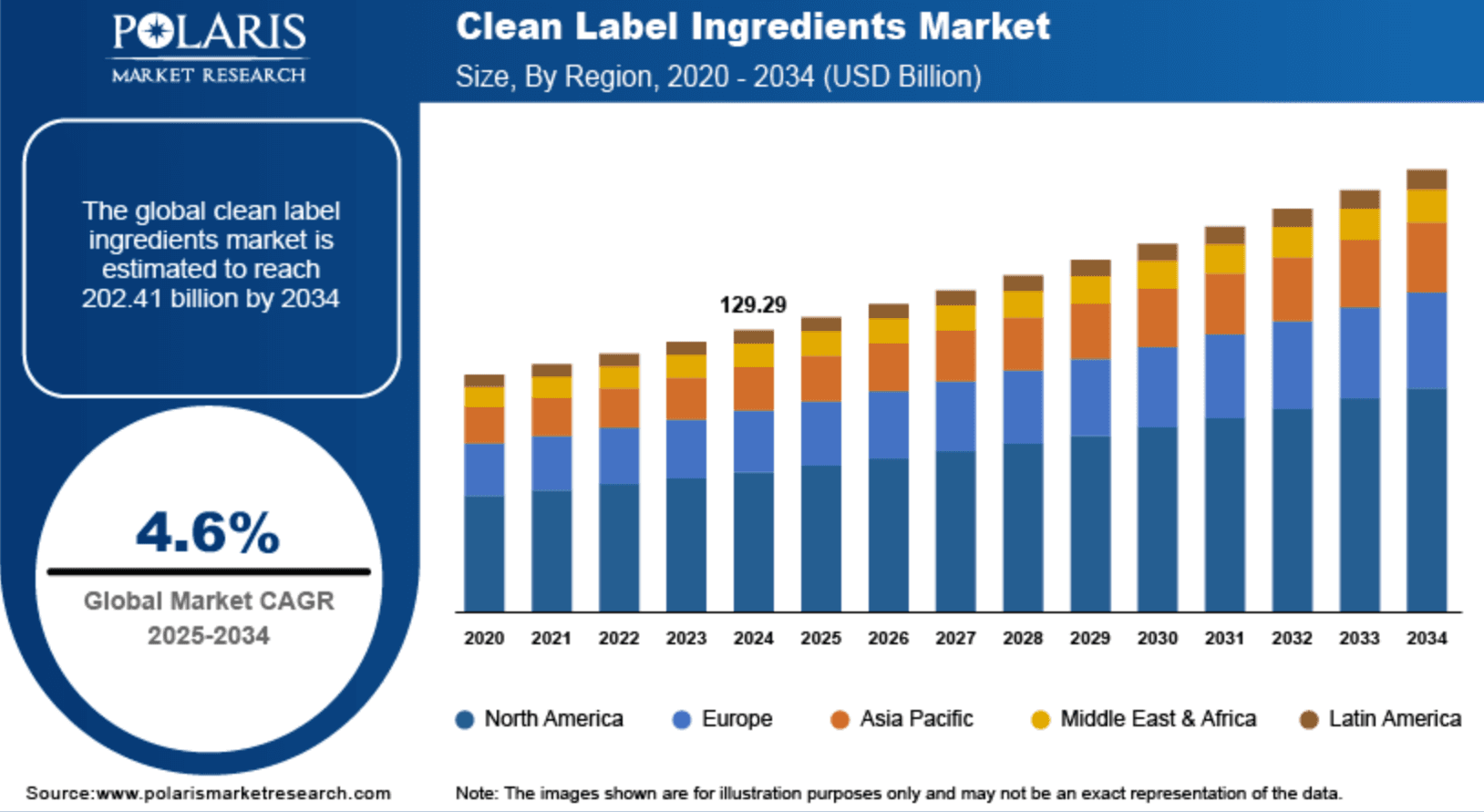
By working with suppliers experienced in natural ingredient supply chains and functional replacements, brands can accelerate their R&D cycles. For example, the global market for clean label ingredients is projected to reach $56.59 billion in 2025, driven largely by innovations in natural colors and flavors (The Business Research Company, 2025).
Ingredient Swaps in Action
- Replacing Synthetic Stabilizers:Instead of modified starches, formulators are turning to upcycled citrus fibers and chickpea protein, which provide necessary viscosity while appearing “clean” on a label.
- Natural Preservation: Suppliers are utilizing blends of botanical extracts (like rosemary or acerola) and fermentation-derived metabolites that naturally inhibit spoilage without triggering consumer alarm.
Strategic Balance: The Path Forward
The ultimate challenge lies in balancing transparency, cost, and performance. A product with a pristine ingredient list that tastes inferior or spoils quickly will fail. Brands that utilize the existing expertise of private label partners are best positioned to succeed. In the current landscape, agility in reformulation is a competitive advantage.
Sources:
- Less mystery, more meaning: Clean labels win consumer preference by Ingredion
- Global clean label trends 2024 by Innova Market Insights
- Clean Label Ingredients Market Size by Global Market Insights
- Clean label ingredients market share, size, trends, industry analysis report, 2025–2034 by Polaris Market Research
- Clean label ingredients global market report 2025 by The Business Research Company