Supply Chain Volatility Is Driving the Rise of Private Label Ingredients
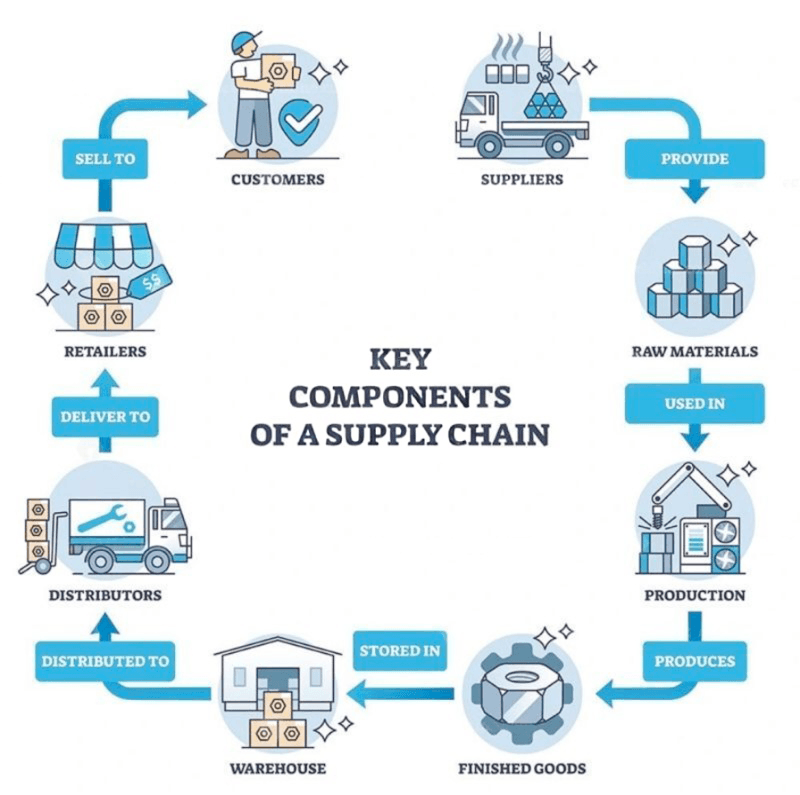
Long lead times, high minimum order quantities (MOQs), and a lack of formulation flexibility can paralyze product launches and erode profit margins overnight. As a result, forward-thinking companies are rapidly turning to private label ingredient solutions as a strategic lever to maintain agility and build resilience.
Agility in an Uncertain World
Private labeling is no longer just a low-cost alternative; it's a strategic imperative for navigating modern supply chain chaos. By partnering with a private label specialist, brands gain immediate access to pre-validated ingredient specifications, a network of flexible sourcing options, and significantly faster turnaround times.
Instead of being locked into a single supplier's dwindling inventory or unchangeable formulation, private label partnerships allow brands to adapt quickly. Faced with a sudden shortage of a specific protein from one region? A private label partner can swiftly switch to a pre-approved alternative origin or adjust the blend without a lengthy requalification process, keeping production lines running.
Risk Diversification as a Core Strategy
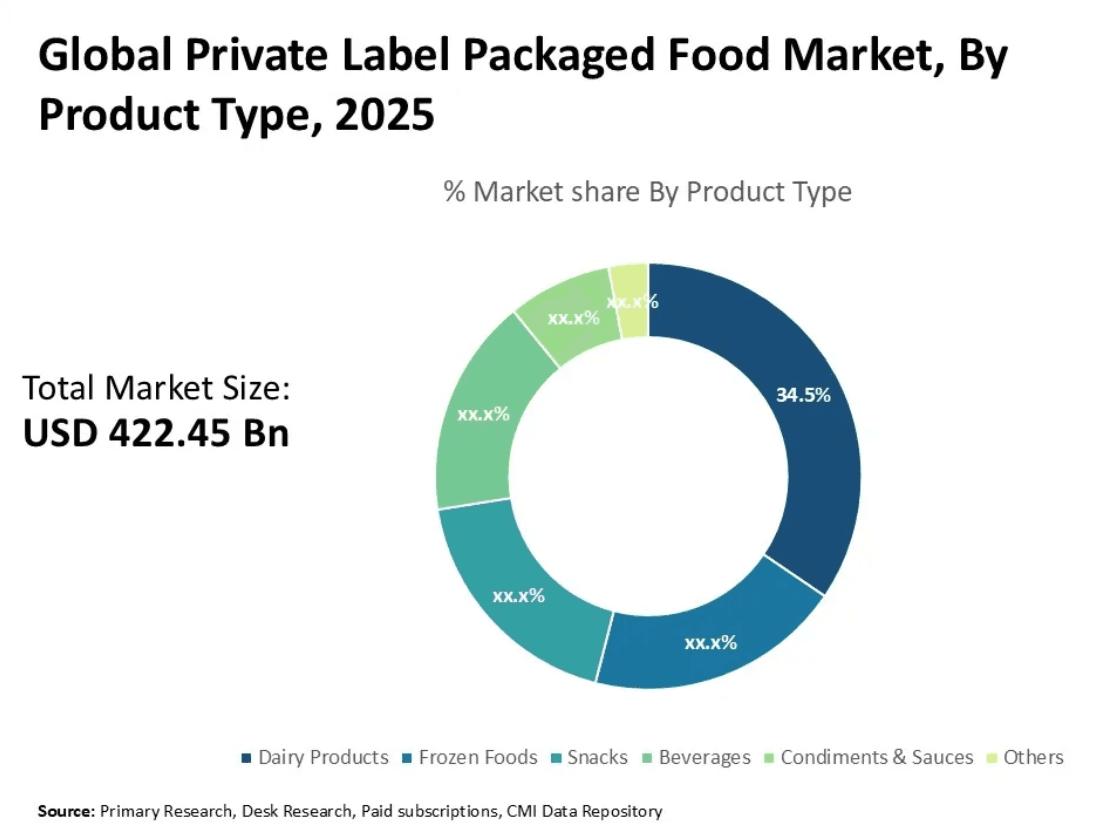
A key driver behind this shift is risk diversification. By working with private label partners that manage relationships with multiple upstream suppliers across different geographies, brands effectively insulate themselves from localized disruptions. This is particularly critical for high-demand, volatility-prone ingredients like plant proteins, natural sweeteners, and functional botanical actives, where shortages can occur with little warning due to weather events or trade policy shifts.
According to a 2025 survey on supply chain risk, 39% of companies are actively pursuing dual sourcing strategies to mitigate disruptions, a move that is inherent to the private label model.
Cost Predictability & Margin Protection
Beyond resilience, cost predictability is a major factor. Private label suppliers often aggregate demand across multiple clients, giving them greater purchasing power to negotiate more stable, long-term pricing with producers. For brands operating in competitive markets with tight margins, this stability can make a meaningful difference to the bottom line.
Ultimately, private labeling has evolved from a tactical cost-saving measure into a primary resilience strategy. Brands that prioritize flexible sourcing and agile formulation through private label partnerships are better positioned to navigate uncertainty, protect their margins, and continue meeting consumer demand without interruption.
Sources:
- How increasing weather disruption is affecting supply chains by Supply Chain Digital
- Private label packaged food market forecast, 2025-2032 from Coherent Market Insights
- Supply chain risk pulse 2025: Tariffs reshuffle global trade priorities by McKinsey
- Food Ingredients Market Size to Hit USD 561.61 Bn By 2034 by Precedence Research
- Key Components of a Supply Chain